


Covert Bulletproof Vests: How Discreet Armour Works and Whether to Wear One Daily
How covert bulletproof vests stay hidden under clothing, what they stop and what they don’t, and a clear rule for deciding if daily wear suits your job.

Aramid Body Armour: How Aramid Vests Work and Where They Fall Short
How aramid vests stop handgun rounds, why they need covers against moisture and light, what they can’t stop, and how to care for the panels.
Stab Proof Vests for Council Workers: Risk, Standards and Provision
Which council roles need a stab proof vest, which KR and spike level fits each, covert or overt, and how a council should assess, buy and issue body armour.
How Quick Release Buckles Work in Body Armour and Plate Carriers
How quick release buckles work on body armour: side-release, cobra and pull-handle systems, why they matter for casualty care and egress, and how to check them.
CAST Compliant Body Armour: What the UK Standard Means and How It Compares to NIJ
CAST compliant body armour is tested to the UK Home Office standard. Learn the HO, KR and SP levels, how they map to NIJ, and how to check a claim.
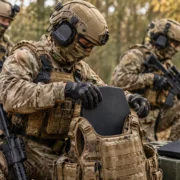
Hard Ballistic Plates: Materials, Ratings, Weight and How to Choose
Hard ballistic plates compared: ceramic, polyethylene and steel, NIJ ratings, standalone vs ICW, cut and weight, with a simple rule for choosing.
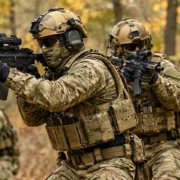
NIJ Compliance for Body Armour: What It Means and How to Verify It
NIJ compliance means a body armour model passed NIJ-run testing and is on its Compliant Products List. Learn what the label must show and how to check it.
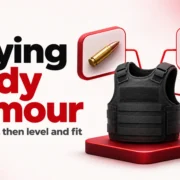
How to Buy Body Armour: Choose the Right Level, Fit and Standard
Buying body armour? Match protection level to your real threat, check certification, get the fit right and understand cost before you order a vest.
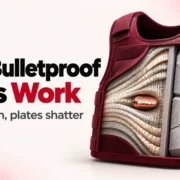
How Do Bulletproof Vests Work? Fibres, Plates and the Physics of Stopping a Bullet
How bulletproof vests work: woven fibres catch handgun rounds, hard plates break rifle bullets, and both spread the energy. What each stops and its limits.

How Does a Stab Proof Vest Work? Materials, Construction and Ratings
How a stab proof vest stops a blade: the layered aramid and polyethylene panels, why spikes need different protection, and what KR1 to KR3 ratings mean.
